Beautiful Feet · 1:34 film

Althea Brown Edmiston

Learning from the people you serve

Read the narration

Althea Brown Edmiston went to the Congo as a teacher. An African American Christian, she arrived in nineteen oh two and taught at a girls' home before working among the Bushoong people.

Learning their language became part of her service. She compiled a grammar and dictionary and helped provide reading materials. These were tools for understanding and using a language the people already spoke.

That work required sustained attention to other people's words. A teacher arriving in a community also had things to learn.

The work belonged to a wider circle. Althea's husband, Alonzo, served in education and agriculture. Congolese Christians taught, printed and carried the work forward. Their labor helped people hear and learn, too.

Romans asks how people will hear the good news of Christ. Around that hearing there can be years of patient preparation, and people whose contributions are easy to overlook.

God has given his people different gifts for one another. A carefully prepared book can help a reader you may never meet. Time spent understanding another person's words can help you speak to them with greater care.

Who helped make something understandable for you? Thank them for the attention they gave. As you serve, take time to learn from the people you hope to help. Christ's grace frees us to receive as well as give.

Next in Beautiful Feet

Nerses and Armenian communities of care →

Go deeper

History & further reading

Return to the story ↑

Language work within a larger community

Althea Brown Edmiston, an African American educator, arrived in the Congo in 1902. Teaching, learning the local language and preparing useful reading tools belonged together in her work among the Bushoong people.

Presbyterian Historical Society descriptions of the Edmiston papers preserve evidence of educational, linguistic and mission work. Her grammar and dictionary are identified in that record; a bibliographic listing is not the same as having read the whole grammar. Her husband Alonzo and Congolese teachers, printers and Christians also contributed to the larger work.

The language already belonged to its speakers. A foreign worker’s task required learning from them, and their contributions should remain visible alongside the papers preserved under the missionaries’ names. Romans 12 helps us consider the many gifts and patient preparations that make learning possible.

From the historical record

Photographs, art & documents

Open an image to look more closely. Dates and captions distinguish historical records from later interpretations.

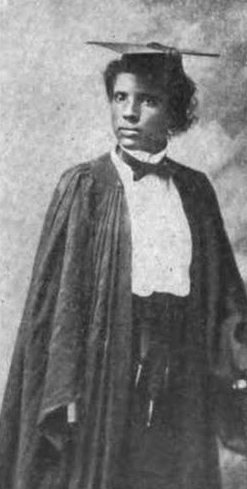
Althea Brown Edmiston standing in academic cap and gown.View full image ↗

Althea Brown Edmiston in academic dress, from a 1902 publication. A historical portrait, rather than an image of the later language work.

Photographer uncredited · via Wikimedia Commons

Historical image